Temple’s Architecture and Vastu!

Temples are not just a place or a building. It’s A Door to Look Inside”.
When we talk about temple architecture in Vastu, we get into deeper study- a deeper science. Temple is called as MANDIR in Hindi language which means Man ke Andar. When we go inside the temple, we get all the clarity, we get clarity about ourselves, we get clarity about our environment, we get clarity about all the things that are overlapping our vision.
Temple is not merely a beautiful sculpture but a science of building vision to elevate the experience of prayer and worship

Although India is a land of temples, India is known for the architecture and beauty of temples. As per my view Temples are the best form of architecture in India. Temples are the Center of Attraction of the country. But if we talk about as per Vastu that, there are in depth logics about the temples. We can sense the magnitude of intelligence, power and energies that have gone beyond the construction of every temple. Each temple is dedicated to a deity. In that temple we experience a great energy radiated from the idol. Each temple has all the five elements like it’s there in the universe. When a person moves inside a temple, it’s not just his body that travels but also the mind that travels into deeper layers. Temples have the quality of absorbing the energy. This is the reason the area around temples doesn’t flourish much. Now the question is that now the temples have so much energy? from where do they get the energy? The simple answer is the energy of the Idol and charging of the idol by the rituals. Both of these things affect the aura in the temple, our senses and our subconscious mind. The idol absorbs the energy from the sound of the bell and the heat produced by the camphor and vibrates the positive energy for a short duration. When we do parikrama, at that point, the positive vibrations get absorbed into our five senses that are activated due to it at that time. In Hinduism, the sound from the conch sounds like the sacred syllable ‘Om’ which is the first sound of creation. The Shankha or conch is blown before beginning any good work. The conch sound is the purest sound that has powerful and positive energy radiated in the temples and hence has such a stunning impact on the devotees.
Placement of temple –
Vedas that are written by the super knowledgeable Rishis have the description of ideal temple placement in it. As per the Vedic instructions, a temple should be at a place where the earth’s magnetic wave is most dense. Thousands of temples are found all over India in different sizes and shapes but not all of them were built as per the Vedic guideline. Although there is not any parameter which can measure the energy of a temple. But it can be said that wherever there is a magnetic and electric wave distribution of North/south pole thrust, we can find a temple constructed right there.
Placement of idol-

The main idol is at the core center of the temple because the idol is placed first around which the temple is built. The position of the deity is where the earth’s magnetic waves are felt to the maximum extent. The main deity in each temple is accompanied by the two other minor deities that are seen along the path we take to approach the main deity. It improves the human mindset one way or the way. Like when we set any goal, many people get involved naturally taking us towards our goal. When we bend and do Namaskar, we pay gratitude for giving us directions.
That’s why temples are the place to get clarity, to improvise the vision.
Interior Facts of a temple–
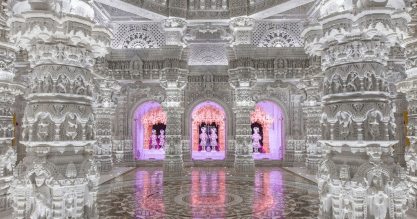
God’s statue is actually placed on a copper plate because copper plates are known to absorb the earth’s magnetic waves and divert them to their surroundings. Thus, it helps in spreading that powerful energy in the aura. This is one of the reasons we feel devoted and relaxed when we get inside the temple. The chamber of the main idol is closed from three sides to maintain the aura, to maintain the energy so that it cannot travel out and remain there in that chamber with multiple folds. A devotee takes a clockwise Pradakshina around the main idol and feels the effect of the magnetic waves. It’s a ritual but has a deeper scientific reason. We usually touch the temple walls while moving clockwise around the temple as it gives us the feel of the vibration. The feeling of the vibration is possible with Our Senses. In this process, many factors get involved.
Let’s look into the factors. –

All the five senses – touch, sight, smell, hear and taste helps us to grasp the energy of the temple and mingle with that to make our mind relaxed and focused.
The inner sanctum of the temple is usually dark. When we close our eyes during prayer and then open them, we see the camphor aarti being done for the idol. The light emitting from the dark activates your visual sense. The idol will absorb the heat and vibrate within the chamber for some time. Moreover, when we look at the lit lamp, it doesn’t improve our focus only, rather it improves our action power. The lit lamp radiates heat energy and also helps to have sufficient light inside the chamber. The sound the bells and chants make the worshiper travel into the Vedic world and help him forget his personal problems and relieve his stress.
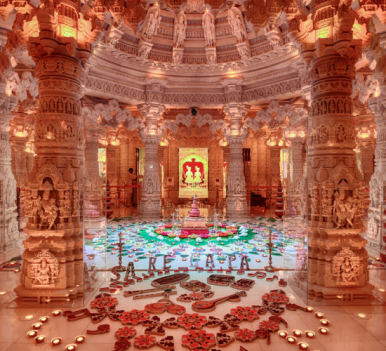
At the same time, energy being released from the burning of camphor and the fragrance of flowers emit a good aura. The sense of smell gets triggered and makes the person lost in his inner self. This helps in self-realization, and he feels motivated to work in a better way. These energies along with the energy from the idol, the copper plates and the utensils used for worshiping God, create a mind-numbing effect on the viewer. When people visit the temple for evening aartis, the doors open, and let out a gush of positive energy into everyone that is present there. Each one present there forgets his conscious world and enjoys his union with God, his union with himself. The curd, honey, milk, sugar and coconut water by which we clean the copper idol is believed to lend the blessings of God to the Charna-Amrit (The holy water or Theertha that comes along with a Tulsi leaf and camphor wards off diseases like cold and cough). A Temple bell is made of several varieties of metals like cadmium, lead, copper, zinc, nickel, chromium and. Manganese, which is mixed in a particular proportion as per the sculpture scriptures. All the metals are associated with different planets so in another form the whole universe shows its presence in the temple. Moreover, the bell is constructed in such a way that whenever it is belled. The sound emitted from it is made to last for 7 seconds, that is the time required for the sound to touch our seven chakras inside our body. The moment the bell is sounded our thought processes come to a standstill for a moment making our spiritual quadrant balanced.
At last, want to add one more deeper meaning – NAMASKAR
It actually means namo+stute = praying gratitude by bending posture.
And surprisingly when we bend, at least our one or two chakras get activated.

Deities work as a focal point. Idea is to remind one of their true potentials. Silence is believed to be powerful and can translate your thoughts to reality. If you pray in silence and in deep awareness, all the prayers are sure to turn into reality. You need to sit for some time inside the premises of a temple, after taking darshan of the deity inside which is the correct thing to do because temples were designed to be energy-charging places where people can charge themselves with inner energy. People who visit temples before starting their daily routine are more balanced and focused on their work for the entire day.

Temples are the storehouses of pure magnetic and electric and positive vibrations. Temples are so charged places that when we move on the floor, we feel like stress free as our negative energy as moved from our feet and we feel grounded. At the same time positive energy gets in by touching the floor. This is one of the reasons to be barefoot in the temple. Also, it prevents dirt to get inside the temple. hence dirty slippers and shoes are not allowed inside the temple.


Comments